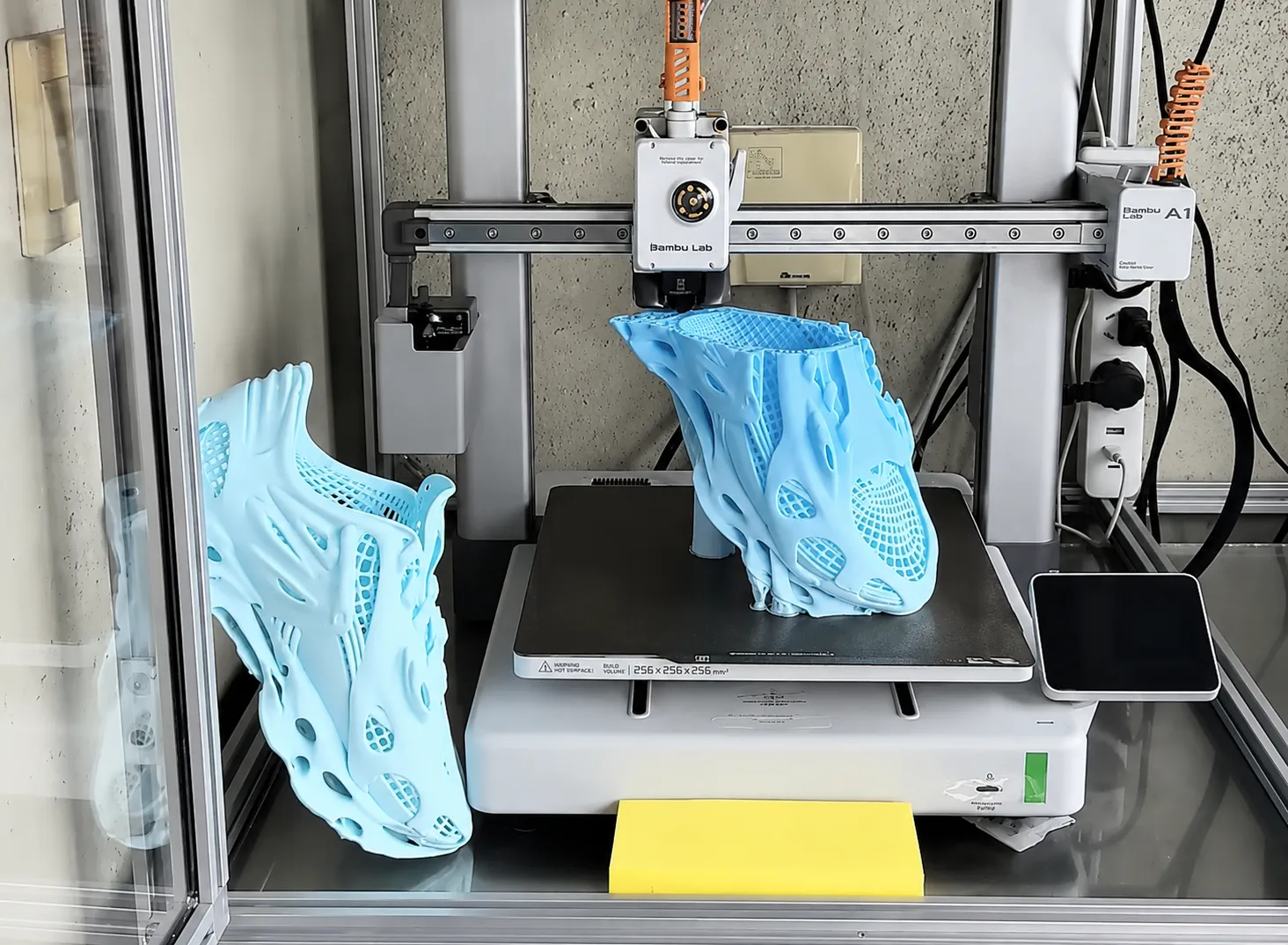
Most buyers do not fail with TPU because they choose the wrong color or spool size. They fail because they treat every flexible TPU filament as the same material. TPU 75A, TPU 85A and TPU 95A may sit in the same family, but they behave very differently in a printer, finished part and wholesale product line.
A soft wearable strap, a phone case, a drone bumper, an anti-slip pad and a flexible jig do not need the same hardness. The lower the Shore A number, the softer and more elastic the filament becomes. The tradeoff is that softer TPU is harder to feed, harder to print quickly and less forgiving for ordinary desktop users. That is why TPU 75A vs 85A vs 95A is not only a technical comparison. It is also a purchasing decision.
As a TPU filament manufacturer, Felarus often helps distributors, print farms and private label brands choose TPU hardness based on three practical questions: what application will the customer print, what printer setup will they use, and which SKU can sell with the fewest support problems. This guide explains the difference between 75A, 85A and 95A TPU from both the printing side and the factory supply side.
What Do TPU 75A, TPU 85A and TPU 95A Mean in TPU Filament Hardness?
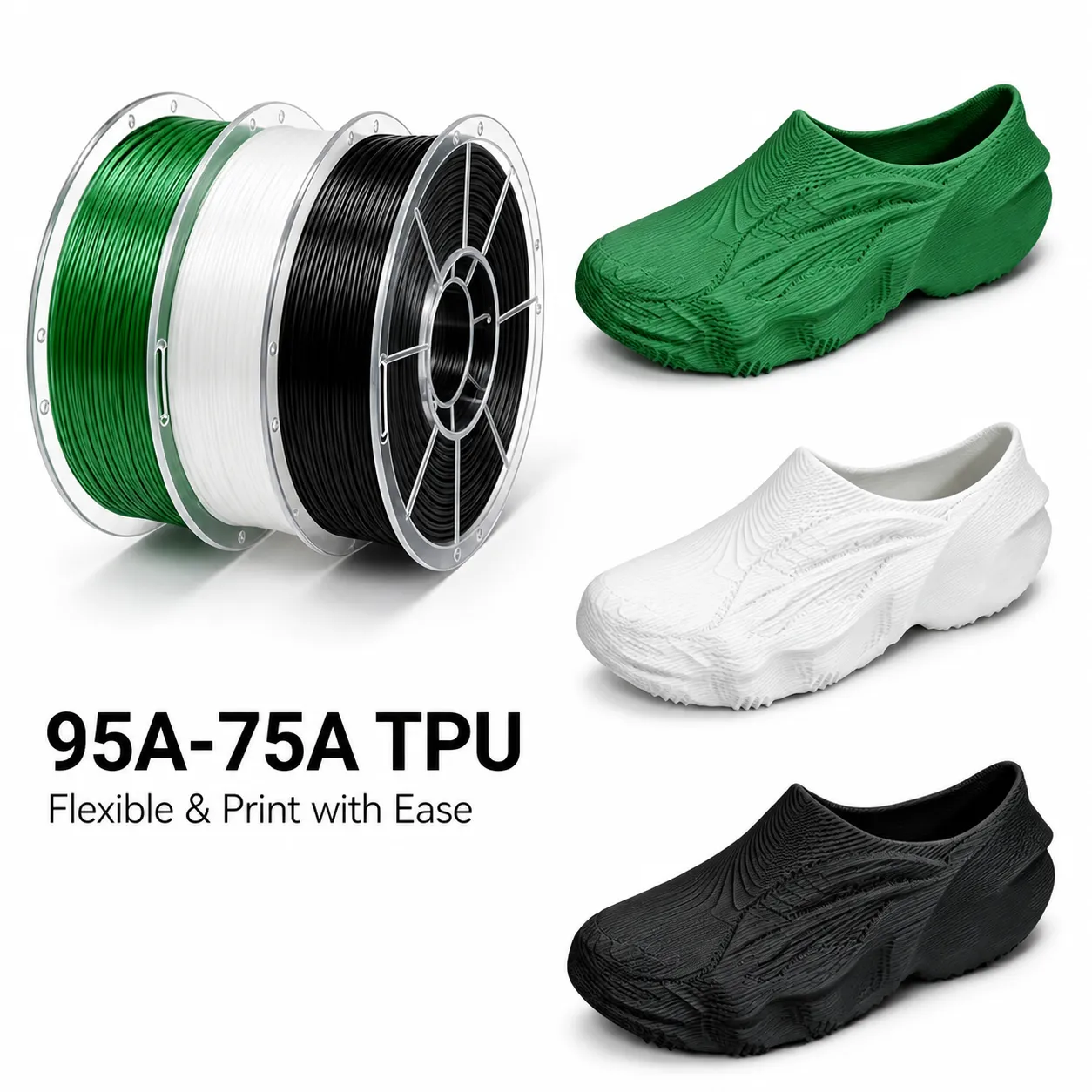
TPU hardness is usually measured on the Shore A scale. A lower number means a softer material, while a higher number means a firmer material. TPU 75A is very soft and rubber-like. TPU 85A keeps strong flexibility but is easier to handle than 75A. TPU 95A is still flexible, but it behaves more like a firm elastic material that most FDM users can print with a reasonable setup.
This matters because hardness affects more than touch feel. It influences feeding stability, extrusion pressure, maximum print speed, retraction behavior, part stiffness, rebound and market demand. A hobby user may ask, "Is TPU 95A flexible enough?" A distributor may ask, "Which TPU filament should I stock first?" A private label brand may ask whether it should build a simple 95A line or a full 95A, 85A and 75A range.
| TPU Hardness | Flexibility | Printability | Best For | Buyer Strategy |
|---|---|---|---|---|
| TPU 75A | Very soft | Difficult | Wearables, grips, soft seals and cushioning parts | Niche users, engineers and sample-based projects |
| TPU 85A | Medium soft | Moderate | Protective pads, flexible tools and vibration dampers | Good for advanced users and professional product lines |
| TPU 95A | Semi-flexible | Easiest | Phone cases, drone parts, wheels and general flexible parts | Best starting SKU for retail, wholesale and bulk TPU filament orders |
TPU 75A Printing Guide: Soft TPU Filament for Wearables, Grips and Seals
75A TPU filament is the softest option in this comparison. It is chosen when the part must bend easily, compress under pressure or feel close to rubber in the hand. Typical applications include wearable parts, soft grips, flexible seals, cushioning pads, medical concept models, soft-touch prototypes and specialty components where comfort or compression matters more than speed.
The main advantage of TPU 75A is high elasticity. The part can flex, twist and rebound in ways that 95A cannot match. For application-driven buyers, this makes 75A valuable when the product needs a soft surface, tight contact or repeated bending.
The difficulty is printability. TPU 75A can buckle in the filament path, resist smooth feeding, wrap around drive gears or create pressure changes during extrusion. A direct drive extruder is strongly recommended. Ordinary Bowden setups are usually not the right first choice unless the printer is carefully tuned and the filament path is very constrained. Print speed should be slow, retraction should be minimal and the filament should be dry before printing.
From the factory side, softer materials require stricter control before the spool ever reaches the customer. During TPU production, Felarus pays close attention to drying, extrusion stability and winding tension. If a very soft spool is wound too tightly or unevenly, it may create feeding resistance during printing. If moisture control is weak, bubbles, stringing and surface defects can appear even when the printer settings look correct.
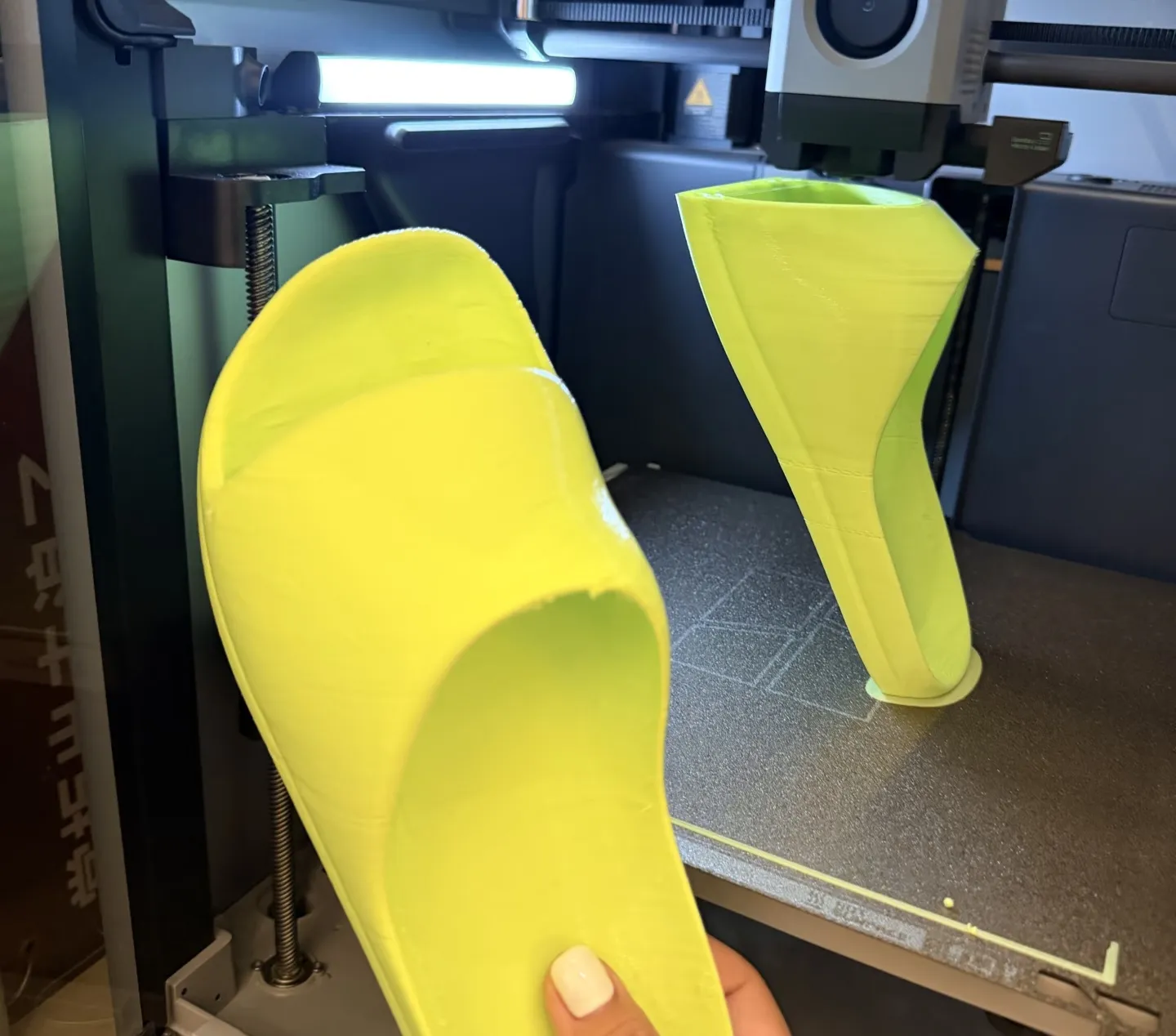
For a buyer planning OEM TPU 75A filament for soft seals or wearable parts, the safest path is sample testing first. Confirm the printer type, nozzle size, application and target softness before ordering a large private label batch. If your project requires a soft TPU grade, you can contact Felarus with your application, color and packaging plan before confirming the SKU.
TPU 85A vs 95A for Functional Parts: The Middle Ground for Advanced Users
TPU 85A filament is the middle option. It is softer and more elastic than 95A, but easier to print than 75A. For engineers, print farms and advanced users, this is often the useful compromise: the part has obvious flexibility, but the printing process is not as demanding as very soft TPU.
TPU 85A fits applications such as shock-absorbing parts, protective pads, anti-slip components, soft mechanical parts, flexible jigs, wearable accessories and vibration-damping elements. It is a strong option when a part needs to compress or bend more than 95A, but the user still needs practical printability on a direct drive FDM printer.
For retail buyers, 85A is not always the first SKU to stock. The average beginner may prefer 95A because it is easier to print and easier to explain. But for brands that already sell PLA, PETG and TPU 95A, adding 85A can create a more professional flexible material range. It gives sales teams a clear upgrade path: 95A for general flexible parts, 85A for softer functional parts and 75A for specialized rubber-like applications.
In procurement terms, TPU 85A vs 95A for functional parts should be decided by the end-use requirement. If the part only needs controlled bend and good toughness, 95A may be enough. If the customer wants a softer compression feel, stronger damping or more obvious elastic response, 85A is worth testing.
Why TPU 95A Filament Is the Most Popular Flexible TPU Filament for Retail and Bulk Sales
TPU 95A filament is usually the most practical choice for buyers entering flexible filament. It is flexible enough for phone cases, drone protection parts, RC tires, tool handles, protective covers, flexible brackets and general functional parts, while remaining much easier to print than softer TPU grades.
For a first-time TPU user, 95A gives the best chance of success. It is still better on a direct drive extruder, but with careful settings some well-tuned Bowden printers can handle it. It accepts higher print speeds than 75A or 85A, feeds more consistently and generally creates fewer support questions for retailers and distributors.
From a manufacturing perspective, 95A TPU is also easier to control in extrusion, winding and batch consistency. This does not mean it is simple; TPU still needs moisture control and careful production management. But compared with 75A, 95A is less sensitive to spool tension and feeding resistance. For distributors who need stable repeat orders, fewer customer complaints and a clear product page message, 95A is normally the safest starting point.
This is why many B2B buyers use bulk TPU 95A filament for phone cases, drone parts and general flexible 3D printing applications as the core SKU. After the market responds, they can add 85A as a professional extension and 75A as a special-application material. Felarus supports TPU 95A, 85A and 75A options with custom color, OEM packaging and private label planning through its China filament factory.
TPU 75A vs 85A vs 95A Performance Comparison for Flexible 3D Printing Applications
The best TPU hardness depends on what the buyer values most. If maximum softness matters, 75A wins. If balanced softness and usability matter, 85A is attractive. If printability, retail demand and low support risk matter, 95A is usually the winner.
| Performance Factor | TPU 75A | TPU 85A | TPU 95A |
|---|---|---|---|
| Flexibility | ★★★★★ | ★★★★☆ | ★★★☆☆ |
| Printability | ★★☆☆☆ | ★★★☆☆ | ★★★★★ |
| Feeding Stability | ★★☆☆☆ | ★★★☆☆ | ★★★★★ |
| Beginner Friendly | ★☆☆☆☆ | ★★★☆☆ | ★★★★★ |
| Functional Part Strength | ★★★☆☆ | ★★★★☆ | ★★★★☆ |
| Retail Market Demand | ★★☆☆☆ | ★★★☆☆ | ★★★★★ |
How to Choose the Best TPU Hardness for 3D Printing Applications and Procurement
A good TPU decision starts with the application, then moves to printer compatibility and finally to purchasing strategy. The common mistake is to ask which TPU is "best" without defining the part. The best TPU hardness for a phone case is not always the best hardness for a seal, a soft grip or a print farm inventory program.
For beginners, choose TPU 95A. For functional parts where flexibility and usability both matter, test 85A and 95A. For soft seals, cushioning parts, soft-touch prototypes and wearable components, test 75A with a direct drive printer. For distributors, start with 95A, add 85A after demand is proven, then introduce 75A only when customers ask for soft TPU filament for specific applications.
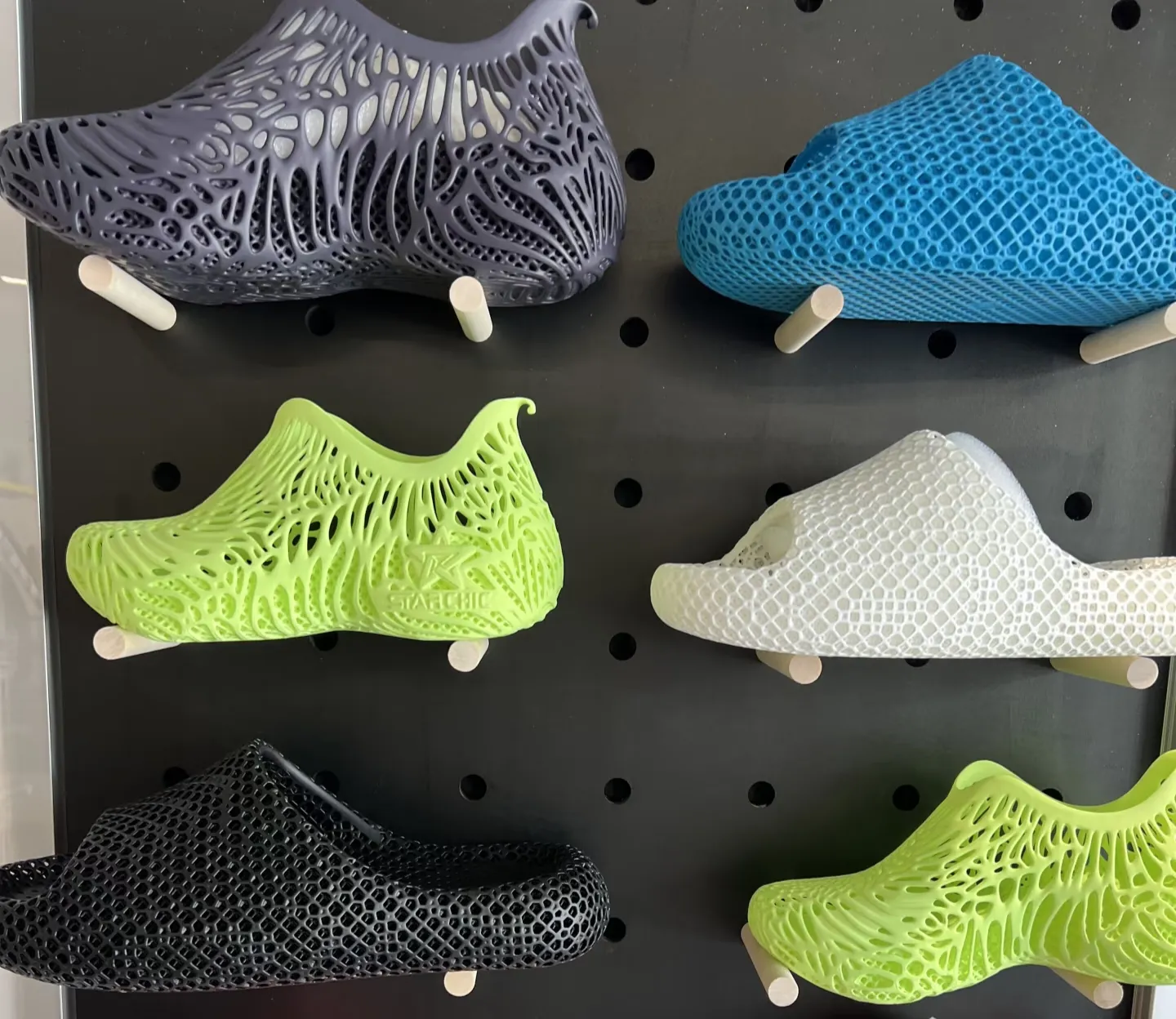
For private label brands, a tiered product line is often more effective than a single hardness. A 95A basic flexible filament can serve broad demand. An 85A professional line can target advanced users. A 75A special-application line can serve engineers and niche customers. The SKU structure should match the audience instead of copying every available hardness at once.
Recommended TPU 75A, 85A and 95A Printing Settings for FDM Printers
TPU settings vary by printer, extruder design, nozzle size, filament formulation and part geometry. The table below should be used as a starting point, not a fixed guarantee. Change one setting at a time before scaling to more printers.
| Setting | TPU 75A | TPU 85A | TPU 95A |
|---|---|---|---|
| Nozzle Temperature | 220-240°C | 220-235°C | 215-230°C |
| Bed Temperature | 40-60°C | 40-60°C | 40-60°C |
| Print Speed | 15-25 mm/s | 20-35 mm/s | 25-45 mm/s |
| Retraction | Very low or off | Low | Low to moderate |
| Extruder Type | Direct drive strongly recommended | Direct drive recommended | Direct drive preferred |
| Drying | Recommended | Recommended | Recommended |
Moisture control is especially important for TPU. Wet TPU may cause bubbles, stringing, rough surface texture, inconsistent extrusion and weaker appearance quality. Print farms should dry sample spools before comparing hardness because a wet 95A spool may look worse than a properly dried 85A spool, leading to the wrong purchasing conclusion.
Felarus China Factory Experience: What We Check Before Shipping TPU Filament
Most TPU hardness articles stop at settings. For B2B buyers, the factory process is just as important. A filament brand can survive one difficult sample test. It cannot survive repeat complaints caused by unstable material, wet filament, poor winding or inconsistent diameter. That is why Felarus treats TPU as a manufacturing and quality-control project, not only a catalog item.
Raw Material Selection for TPU Filament Batch Consistency
TPU raw material quality affects softness, melt flow, surface finish and the way the filament feeds through the extruder. Factory teams must control raw material batches carefully because small changes can be felt more strongly in flexible materials than in rigid materials. For repeat B2B orders, material records and stable sourcing help maintain predictable Shore hardness and print behavior.
Drying Before Extrusion and Moisture Control
TPU absorbs moisture more easily than many common printing materials. Drying before extrusion helps reduce bubbles and surface defects. After production, vacuum packaging and desiccant help protect the spool during storage and international shipping. This is especially important for distributors who may hold inventory for weeks or months before the filament reaches the end user.
Extrusion Stability, Diameter Control and Winding Tension
During production, softer TPU grades need stable traction, cooling and winding control. Diameter accuracy supports smooth feeding and repeatable extrusion pressure. Felarus quality workflow includes diameter inspection, winding checks, packaging confirmation and print performance testing across its filament production process. Buyers can review the Inside Felarus Manufacturing page for more detail about production capacity, OEM packaging and quality control.
This factory-side experience is important for TPU filament supplier selection for distributors and OEM brands. A buyer should not only ask for hardness and price. They should ask how the factory controls moisture, winding, diameter, packaging and repeat order consistency.
TPU Filament Supplier Stocking Strategy for Distributors, Print Farms and Private Label Brands
The right stocking strategy depends on the business model. A new filament brand should not always launch every TPU hardness immediately. Too many SKUs create inventory pressure, support complexity and unclear marketing. A smarter approach is to build from the most printable and most demanded hardness toward more specialized grades.
| Business Type | Recommended TPU Lineup | Reason |
|---|---|---|
| New filament brand | Start with TPU 95A | Lowest support risk and clearest retail message |
| Existing PLA/PETG seller | Add TPU 95A first, then 85A | Expands into flexible materials without overcomplicating stock |
| Professional material distributor | Offer 95A, 85A and selected 75A | Serves beginner, advanced and special-application buyers |
| Print farm supplier | Focus on 95A and tested 85A | Balances output stability with useful flexibility |
| Niche application brand | Develop 75A with sample testing | Targets soft parts, seals, grips and wearable applications |
If you are building a TPU filament product line, Felarus can help you choose hardness, colors, packaging and SKU structure according to your target market. Buyers can compare the broader Felarus filament product range, review OEM options or request a quotation with sample requirements before moving to bulk production.
FAQ: TPU 75A, TPU 85A and TPU 95A Filament
Is TPU 95A flexible enough for 3D printing applications?
Yes. TPU 95A is flexible enough for phone cases, drone protection parts, RC tires, tool handles, protective covers and many general flexible parts. It is not as soft as 75A, but it is much easier for most users to print.
Is TPU 75A hard to print?
Yes. TPU 75A is usually difficult because it is very soft and can buckle or resist smooth feeding. A direct drive extruder, slow speed, low retraction and dry filament are strongly recommended.
Which TPU hardness is best for beginners?
TPU 95A is usually the best TPU hardness for beginners because it offers the strongest balance between flexibility and printability. It is also the best starting SKU for many retailers and distributors.
Can Bowden printers print TPU 95A?
Some well-tuned Bowden printers can print TPU 95A when speed is reduced and the filament path is constrained. Softer TPU such as 85A or 75A is much more challenging and is better suited to direct drive printers.
What TPU hardness is best for phone cases?
TPU 95A is commonly preferred for phone cases because it is flexible, durable and easier to print. If a softer touch is required, TPU 85A can be tested, but it may need slower settings.
What TPU hardness is best for seals and soft parts?
TPU 75A is often better for soft seals, cushioning parts and rubber-like prototypes because it compresses and bends more easily. Buyers should test samples before confirming a bulk order.
Should distributors stock TPU 75A, 85A or 95A first?
Most distributors should stock TPU 95A first, then add TPU 85A when advanced users ask for softer functional parts. TPU 75A is better treated as a special-application SKU unless the buyer already has demand.
Does TPU filament need drying before printing?
Drying is recommended for TPU. Moisture can cause bubbles, stringing, rough surface finish and inconsistent extrusion, especially when comparing different hardness grades for professional use.
Conclusion: Start With Application, Then Choose TPU Hardness
TPU 75A, 85A and 95A are not better or worse in isolation. They serve different printing users and different business goals. TPU 75A is the softest choice for special flexible applications such as seals, grips and wearables. TPU 85A balances softness and usability for advanced functional parts. TPU 95A is the easiest to print and the strongest starting point for retail sales, bulk orders and private label TPU filament programs.
For distributors and OEM brands, the practical strategy is clear: start with 95A for broad demand, add 85A for professional users and develop 75A only after sample testing confirms the application. Looking for a stable TPU filament supplier? Explore Felarus TPU filament or contact Felarus for OEM, private label, custom color and bulk supply options.
Request a TPU Filament Quote From Felarus
Share your target TPU hardness, application, printer type, color plan, packaging needs and expected order quantity. Felarus can help evaluate whether TPU 95A, 85A, 75A or a tiered private label TPU filament lineup fits your market.