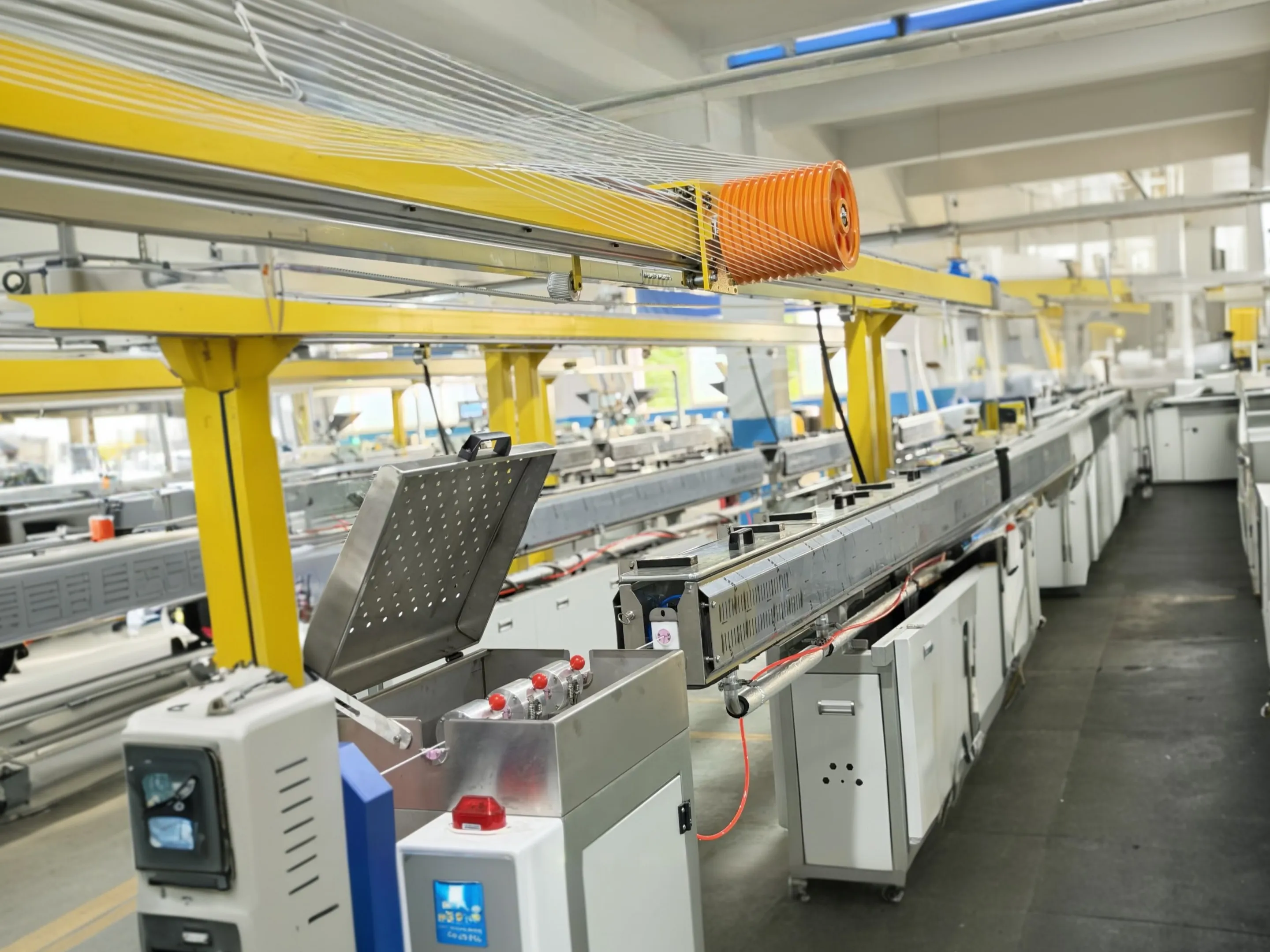
Global filament buyers rarely begin with a complicated sourcing strategy. They usually begin with a simple problem: local purchasing is becoming too expensive, SKU expansion is slow, and the supplier cannot support custom color, OEM packaging or private label development. A reseller may want PLA, PETG and TPU in several spool formats. A print farm may need repeatable material performance across many desktop 3D printers. A growing brand may need retail boxes, barcode control and stable replenishment. In each case, the buyer eventually starts looking for a China filament factory rather than only a local wholesale filament supplier.
Finding a factory is easy. Finding a reliable manufacturing partner is difficult. The difference becomes visible when the order moves from a few cartons to 1,000 kg, a pallet program or a container-level plan. This guide explains how to evaluate a 3D printing filament factory China buyers can rely on for wholesale distribution, OEM production and private label filament business.
Why Choose a China 3D Printing Filament Factory for Wholesale Distribution and Brand Manufacturing?
Buyers searching for a wholesale 3D printer filament supplier China usually want more than a lower unit price. They want direct access to manufacturing decisions. Local distributors can be useful for urgent small orders, but they normally sell existing stock. A factory can help build the next product line.
The first advantage is manufacturing cost. When order volume becomes repeatable, factory-direct sourcing can reduce the cost per sellable spool after the buyer understands freight, duty, packaging and inventory cost. The second advantage is flexibility. Growing brands often need mixed materials, custom colors, private label boxes, spool stickers and carton labels before their market is large enough for a rigid container program.
A capable OEM filament factory China can also support longer planning cycles. Instead of reacting to low stock, the buyer can prepare a production schedule around seasonal demand, Amazon replenishment, distributor forecasts or print farm consumption. At Felarus, this is a common pattern: customers often begin with core materials, test samples, confirm print performance, then gradually move into custom packaging and private label SKU planning.
| Comparison | China Factory | Local Distributor |
|---|---|---|
| Unit Cost | Lower when volume is stable | Higher but convenient |
| OEM Service | Available for brand programs | Limited or unavailable |
| Custom Packaging | Labels, boxes, cartons and pallets | Rare |
| Color Development | Flexible for planned orders | Limited to existing stock |
| Direct Communication | Sales and production feedback | Usually sales only |
| Supply Stability | High with forecasts and repeat orders | Medium, depending on stock |
Where to Find a Reliable 3D Printing Filament Manufacturer in China for Importers and Resellers
Most buyers use several channels before choosing a filament supplier for resellers. The channel matters less than the verification process that follows.
Method 1: Google Search for a 3D Printing Filament Manufacturer China
Google is useful because it reveals whether a company has a real factory website, application pages, product pages, case content and export-focused information. Search phrases such as 3D printing filament manufacturer China, PLA filament factory China, OEM filament manufacturer China and private label filament supplier are good starting points. A serious manufacturer should explain materials, production capability, quality control and OEM support clearly.
Method 2: B2B Platforms for Early Supplier Discovery
Alibaba and Made-in-China can help buyers build an initial supplier list. They are useful for comparing product ranges and contacting many vendors quickly. The weakness is that platform pages often look similar. A trading company, a marketplace seller and a real extrusion factory may all use the same product keywords. Platform discovery should therefore be treated as the first filter, not the final decision.
Method 3: Industry Websites and LinkedIn
Industry websites, LinkedIn pages and company articles can show export experience, production language and customer focus. Look for content written for distributors, importers, private label brands and print farms rather than only hobby users. A manufacturer that understands B2B purchasing should be able to discuss MOQ, lead time, sample testing, color cards, packaging artwork, carton marks and repeat order planning.
Method 4: Direct Factory Websites
A direct factory website should make verification easier. It should show production process, quality control, material range, OEM capability and contact paths. For example, the Felarus factory page explains production lines, monthly capacity, quality control, OEM packaging and export support so buyers can evaluate the supplier before asking for a quotation.
How to Verify a Chinese Filament Factory Before Placing a Bulk Order for Print Farms and Distributors
This is the most important part of the sourcing process. The risk is not that a supplier cannot send one good sample. The risk is that the supplier cannot repeat the same quality after the buyer places a 1,000 kg order, launches a private label SKU or promises delivery to downstream customers.
Confirm They Are a Real Filament Manufacturer, Not a Trading Company
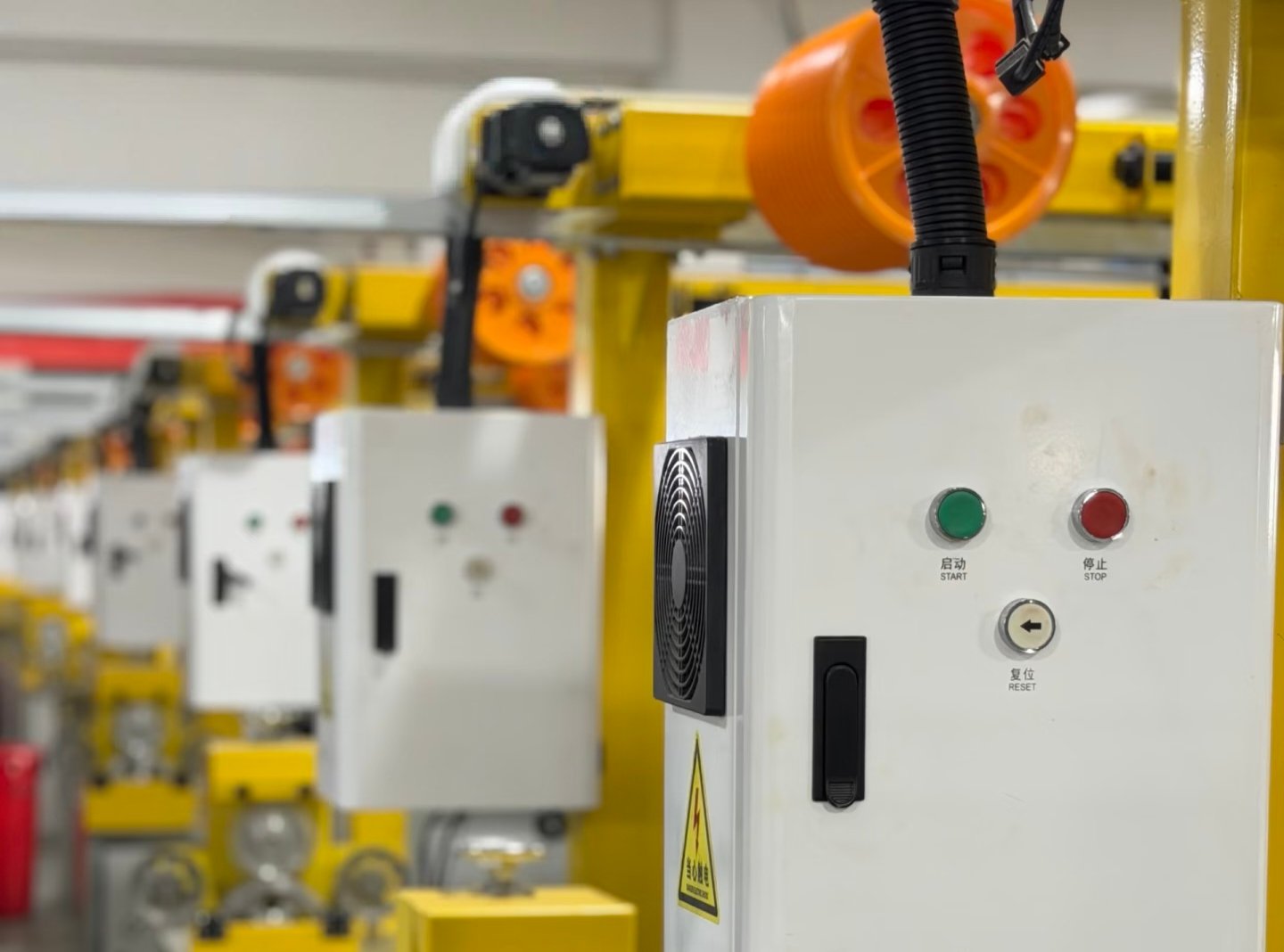
Before placing a bulk order, ask for evidence of extrusion lines, production workers, warehouse areas, quality inspection equipment, packing process and capacity. Factory photos are useful, but video calls and production documents are stronger. A real manufacturer should be comfortable discussing spool weight, diameter tolerance, packaging, lead time and batch control in practical detail.
For wholesale buyers, this matters because responsibility moves upstream. If a trading company buys from several factories, batch consistency may change without the buyer knowing. If a factory controls extrusion, winding, inspection and packaging internally, it can diagnose problems faster and improve repeat production. Felarus operates as a China filament manufacturer with its own production and OEM support system, which allows buyers to discuss both material performance and commercial packaging in one place.
Evaluate Raw Material Quality for Desktop Printers, Print Farms and Industrial Prototypes
Raw material quality decides whether the final filament prints consistently. Buyers should ask whether the material is virgin or recycled, how moisture is controlled, whether material batches are recorded and how the factory handles drying before extrusion. For desktop 3D printers, inconsistent flow can cause surface defects and failed prints. For print farms, a small change can multiply across dozens of machines. For industrial prototypes, material stability affects dimensional accuracy and functional testing.
At Felarus, raw material verification is part of the production workflow for PLA, PETG, TPU and specialty materials. This factory experience is important for buyers who need stable repeat orders rather than one-time promotional stock. If you are comparing virgin and recycled options for bulk sourcing, the Felarus guide on virgin vs recycled filament for wholesale buyers can help frame the cost and quality decision.
Check Diameter Accuracy and Filament Quality Control Before Mass Production
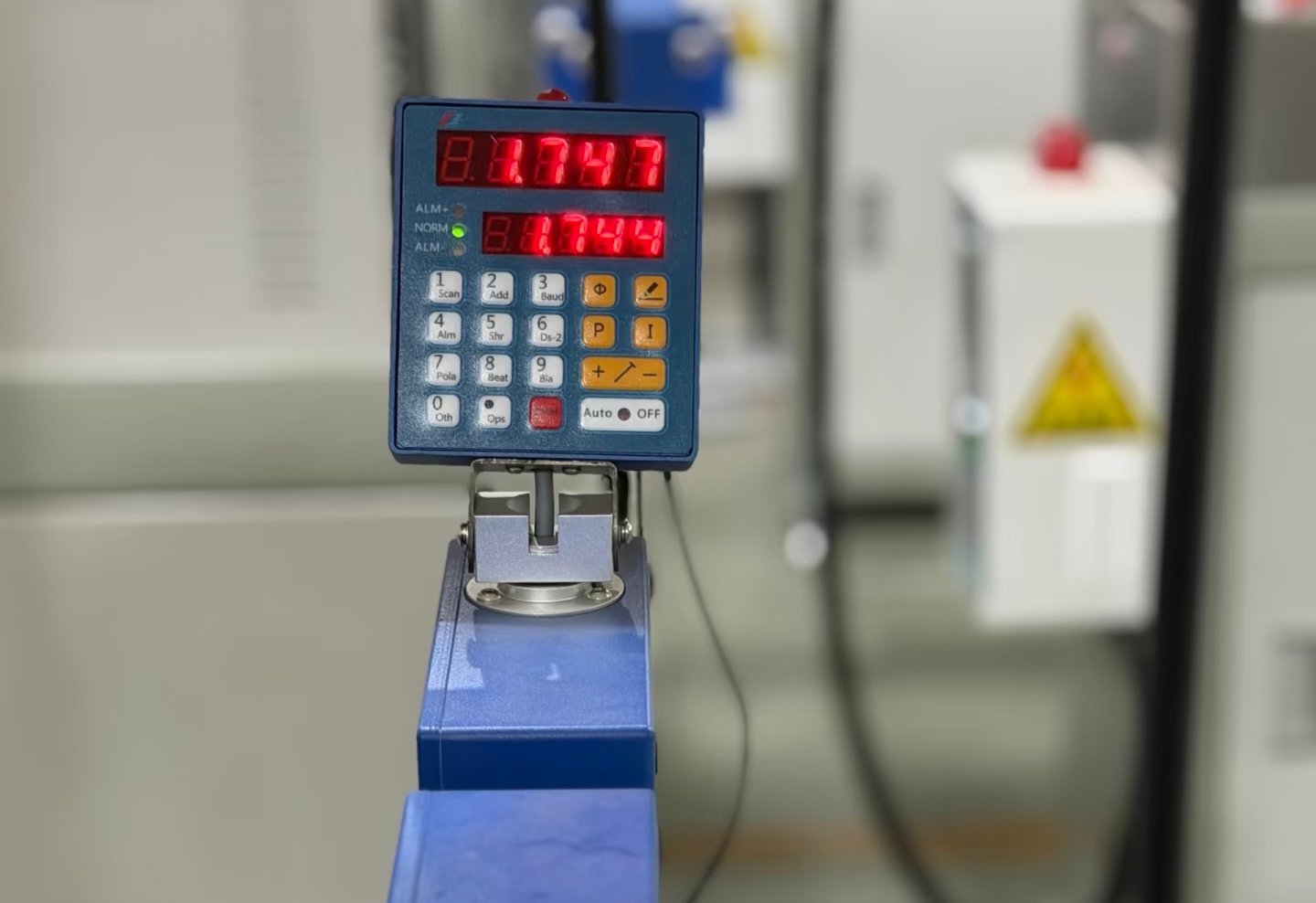
Diameter control is one of the clearest signs of a serious filament factory. Buyers should ask how the factory monitors diameter, what tolerance is used, how winding is checked and whether every batch receives real machine printing validation. Many professional buyers use ±0.02 mm tolerance as an important benchmark because poor diameter consistency affects feeding, extrusion pressure and print surface quality.
Packaging also belongs in quality control. Vacuum-sealed packaging, desiccant, stable spool winding and carton protection reduce problems during international shipping. A filament may leave the extrusion line in good condition but still reach the buyer with moisture damage, tangled winding or crushed cartons if packaging is weak.
| Quality Item | Buyer Should Check |
|---|---|
| Diameter Accuracy | ±0.02 mm tolerance target and inspection records |
| Material Quality | Virgin raw material policy, recycled ratio and batch traceability |
| Moisture Control | Drying process, desiccant and vacuum packaging |
| Spool Winding | No tangling, stable tension and clean spool edges |
| Printing Test | Real machine testing before shipment |
| Batch Stability | Repeatable performance across reorder cycles |
Factory, Trading Company or Marketplace Seller: Which Factory Direct Filament Supplier Is Best?
There is no single supplier type that fits every buyer. The right choice depends on volume, customization needs, risk tolerance and how much control the buyer wants over the product.
| Supplier Type | Suitable Buyer | Customization | Supply Control | Main Risk |
|---|---|---|---|---|
| Factory Direct | Brands, distributors and print farms | ★★★★★ | ★★★★★ | Requires careful verification |
| Trading Company | Small buyers and mixed orders | ★★★☆☆ | ★★★☆☆ | Higher cost and less production visibility |
| Marketplace Seller | Trial orders and urgent samples | ★★☆☆☆ | ★★☆☆☆ | Limited customization and batch control |
A small reseller may begin with a trading company because cash flow and mixed cartons are more important than custom packaging. A brand owner should usually move closer to factory direct because the product identity, color system and retail presentation must be controlled at production level. An industrial customer or print farm needs stable manufacturing support because downtime, failed prints and inconsistent materials create costs beyond the invoice price.
How to Choose an OEM Filament Manufacturer China for Private Label 3D Printing Brands
A private label 3D printing filament supplier must do more than put a sticker on a spool. The factory needs to understand how a filament brand is built. Packaging artwork, box structure, spool label, barcode placement, master carton marks, pallet layout, color naming and product consistency all influence the buyer's downstream business.
For OEM filament buyers, the practical process usually moves from requirement confirmation to material selection, color matching, extrusion, inspection, packaging and shipment. Each step should produce a decision record. If a buyer approves a color, that color should be controlled for future batches. If a buyer confirms a box, the artwork and dimensions should remain stable. If a destination market requires specific labeling, it should be planned before packaging materials are printed.
Felarus supports OEM and private label programs for distributors, wholesalers and filament brands that need custom colors, brand labels, retail packaging and export support. Buyers planning a branded program can review the OEM and private label filament service page or contact the team when the material list, target market and order plan are ready.
Choosing PLA, PETG, TPU and Carbon Fiber Filament Suppliers by Application
Material choice should follow the application, not only the price list. A buyer sourcing for schools, display models and easy desktop printing may need a stable PLA filament manufacturer with strong color availability and clean winding. A buyer serving functional prototypes may need a PETG filament supplier that can provide tougher material, stronger layer adhesion and better durability. A buyer building flexible product lines should evaluate a TPU filament factory with experience in winding, drying and flexible material handling.
Engineering and industrial buyers often compare carbon fiber reinforced materials for lightweight parts, fixtures and functional testing. In this case, application detail is essential. Part geometry, nozzle setup, target rigidity, post-processing, packaging and technical labeling should be discussed before bulk purchasing. Felarus offers core materials such as PLA+, PETG, Silk PLA, Matte PLA, TPU and carbon fiber filament, allowing B2B buyers to plan both mainstream SKUs and application-specific specialty lines.
| Application | Recommended Material | Purchasing Note |
|---|---|---|
| Prototyping | PLA / PLA+ | Good for easy printing, visual models and broad retail demand |
| Outdoor Parts | PETG / ASA | Confirm heat, UV and destination requirements before ordering |
| Flexible Components | TPU | Check hardness, winding and print farm compatibility |
| Engineering Parts | Carbon Fiber Nylon | Confirm printer setup, drying and technical packaging |
| Functional Testing | PETG / ABS | Balance toughness, printability and application environment |
Common Mistakes When Importing 3D Printing Filament From China for Wholesale Business
The first mistake is choosing only the lowest price. A low quotation can hide recycled material, weak packaging, poor winding, loose tolerance or unstable production. The cheaper spool becomes expensive when it creates returns, failed prints or customer complaints.
The second mistake is skipping sample testing. Buyers should test sample spools on the printers and settings their customers actually use. A sample should be checked for printing stability, color, winding, moisture condition, surface finish and packaging presentation.
The third mistake is ignoring packaging requirements. For wholesale filament sourcing, packaging is not decoration. It protects the spool during sea freight, supports retail presentation and reduces warehouse confusion. Confirm inner bags, desiccant, labels, boxes, master cartons, pallet plan and shipping marks before mass production.
The fourth mistake is not confirming production capacity. A supplier may accept an order but struggle to deliver on time when several custom colors, materials and packaging types are combined. Buyers should ask how the factory schedules production and how repeat orders are handled.
The fifth mistake is having no long-term supply agreement. Once a buyer has proven demand, the relationship should move from one order to a supply plan. Forecasts, reorder rhythm, quality feedback and documentation help both sides reduce risk. For a deeper cost view, the Felarus article Factory-Direct Filament Cost Calculator explains how landed cost should be calculated before switching purchasing channels.
Why Felarus Is a Reliable China 3D Printing Filament Factory for Global Buyers
Felarus is positioned as a China-based OEM and private label 3D printing filament manufacturer for global B2B customers. The value for buyers is not only access to materials. It is the ability to connect material selection, production control, packaging planning and export communication in one supply relationship.
Felarus factory experience is especially relevant for distributors and filament brands because the company works with repeatable manufacturing needs: PLA+, PETG, Silk PLA, Matte PLA, TPU, carbon fiber and other application-driven materials; custom color development; OEM label and packaging support; extrusion monitoring; diameter inspection; winding checks; printing validation; and global shipping coordination.
| Buyer Requirement | Felarus Capability |
|---|---|
| Private Label | OEM packaging, labels, boxes, cartons and pallet planning |
| Custom Products | Color development and material selection support |
| Stable Supply | Factory production with repeat order planning |
| Multiple Materials | PLA, PETG, TPU, Silk PLA, Matte PLA and engineering options |
| Export Support | Quotation, samples, packaging confirmation and global shipping coordination |
This should not be read as a promise that every buyer needs the same solution. A small reseller may need a simple material range first. A distributor may need a wider SKU plan. A private label brand may need packaging and color identity. A print farm may care most about batch stability and feeding performance. The right factory partner should help define the purchasing path according to the buyer's actual business model.
How to Select the Right China Filament Factory for Long-Term 3D Printing Business Growth
Choosing a China filament factory should not start and end with the lowest price. Price matters, but reliable wholesale filament sourcing depends on quality consistency, manufacturing capability, OEM flexibility, communication and long-term supply planning. A buyer should know who makes the filament, how the material is controlled, how diameter is inspected, how packaging is protected and how repeat orders will be managed.
If you are looking for a reliable 3D printing filament factory in China for wholesale, OEM or private label business, prepare your material list, target applications, expected quantity, packaging requirements and destination market before requesting a quote. Clear information helps the factory provide a realistic plan instead of a vague catalog answer.
Request a Quote From Felarus
Share your target material, application, quantity, custom color needs and packaging plan. Felarus can help evaluate whether standard wholesale supply, OEM packaging or a private label filament program fits your business stage.